Адрес:No.7-1, Shunyi Street, Jibei Street, Jinan, Shandong, China
Телефон:
Мобильные телефоны:
Контактные лица:
Адрес:No.7-1, Shunyi Street, Jibei Street, Jinan, Shandong, China
Телефон:
Мобильные телефоны:
Контактные лица:
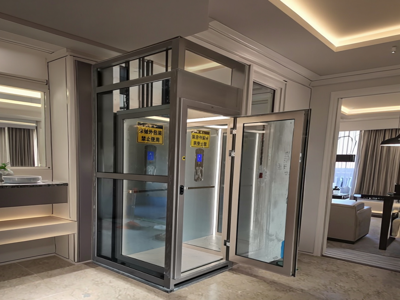
Выбор нержавеющей зеркальной стали для лифта – это не просто вопрос эстетики, а ключевой аспект, влияющий на долговечность, безопасность и общее восприятие пространства. В современном строительстве и ремонте лифты стали неотъемлемой частью инфраструктуры, и их внешний вид часто определяет первое впечатление о здании. Нержавеющая сталь, особенно зеркальная её разновидность, предлагает уникальное сочетание прочности, коррозионной стойкости и визуальной привлекательности. Однако, не вся сталь одинакова, и неправильный выбор может привести к преждевременному износу, появлению пятен или даже安全问题. В этой статье мы подробно разберём 5 основных советов, которые помогут вам сделать informed решение при выборе нержавеющей зеркальной стали для лифтов. Мы охватим всё: от технических характеристик до практических рекомендаций, основанных на опыте профессионалов. Цель – обеспечить, чтобы ваш лифт не только выглядел стильно, но и служил decades без проблем.
Первый и самый важный совет – тщательно изучите тип нержавеющей стали. Нержавеющие стали классифицируются по маркам, such as 304, 316, или 430, каждая с уникальными свойствами. Для лифтов, особенно в интерьерах с высокой проходимостью, рекомендуется использовать аустенитные стали, такие как AISI 304 или AISI 316. AISI 304 – это стандартный выбор для большинства применений; она обладает excellent коррозионной стойкостью благодаря содержанию хрома (18-20%) и никеля (8-10.5%). Это делает её устойчивой к oxidation и подходящей для indoor environments. Однако, если лифт будет установлен в coastal areas или местах с high humidity, consider AISI 316, which содержит молибден (2-3%), enhancing resistance to pitting corrosion from chlorides. Например, в морских портах или бассейнах, где соль и влага могут accelerate corrosion, 316 сталь будет более durable. Избегайте ферритных сталей, like 430, которые дешевле, но менее corrosion-resistant и могут rust в aggressive conditions. Проверьте сертификаты качества от производителя; они должны подтверждать chemical composition и mechanical properties. Помните, правильный тип стали – foundation для долговечности; экономия на этом этапе может lead to costly repairs later. Consult with suppliers or engineers to match the steel grade to your specific environment and usage patterns.
Коррозионная стойкость – критический фактор для лифтов, которые constantly exposed to human touch, cleaning agents, and environmental factors. Нержавеющая сталь resist corrosion through a passive chromium oxide layer, but this can be compromised. For mirror finishes, even minor corrosion can ruin the aesthetic. Test the steel's resistance by reviewing its PREN (Pitting Resistance Equivalent Number) – higher values indicate better performance. AISI 304 has a PREN around 19-20, suitable for most indoor uses, while AISI 316 scores about 24-25, ideal for harsher conditions. Consider the elevator's location: in hospitals or food processing plants, where sanitation is key, steel must withstand frequent cleaning with disinfectants that can contain chlorides. Opt for steels with low carbon content (e.g., 304L or 316L) to avoid sensitization and intergranular corrosion during welding or fabrication. Additionally, assess the risk of galvanic corrosion if the steel contacts other metals; use insulating materials or compatible alloys. Practical tip: perform salt spray tests or consult industry standards like ASTM A240 to ensure the steel meets required corrosion resistance levels. Investing in high-corrosion-resistant steel upfront prevents unsightly stains and maintains the mirror finish over time, enhancing the elevator's appeal and reducing maintenance costs.
Механические свойства, такие как tensile strength, hardness, and ductility, vital for elevator components that face mechanical stress from doors, buttons, and passenger impact. Mirror stainless steel should have good formability to achieve the desired finish without cracking. Typical grades like AISI 304 offer tensile strength of 515-620 MPa and elongation of 40-50%, making them suitable for forming and bending during manufacturing. For elevators, consider the thickness: thicker sheets (e.g., 1.2mm to 2.0mm) provide better rigidity and resistance to denting, but balance with weight constraints. Hardness, measured on the Rockwell scale, should be moderate to allow polishing without brittleness; aim for HRB 80-95. Avoid over-hardened steels that might crack under stress. Also, evaluate fatigue resistance – elevators undergo cyclic loading from daily use, so steel must withstand repeated strains without failure. Refer to standards like EN 10088 or ASME SA240 for specified mechanical values. In practice, choose steel that has been cold-rolled or annealed to optimize properties; cold-rolled steel offers higher strength but may require additional processing for mirror finish. Collaborate with fabricators to ensure the steel's mechanical characteristics align with the elevator's design loads and safety requirements, ensuring a product that not only looks good but performs reliably for years.
Отделка поверхности – это то, что defines the mirror effect and overall aesthetics of the elevator. Stainless steel can be finished in various ways, but for a true mirror finish, opt for a polished surface with a high gloss level, typically measured by reflectivity (e.g., 80-90% or higher). The process involves grinding, polishing, and buffing to achieve a smooth, reflective surface free of defects. Common finishes include No. 8 mirror finish, which is highly reflective and requires skilled craftsmanship. Ensure the finish is consistent across panels to avoid visual discrepancies. For elevators, consider the ease of cleaning; a mirror finish should be non-porous to prevent dirt accumulation and facilitate wiping. However, mirror finishes are prone to scratches and fingerprints, so specify protective coatings or choose brushed finishes for high-traffic areas if durability is a concern. Work with suppliers who can provide samples and certify the finish quality. Additionally, think about the grain direction; for a uniform look, align the polishing lines horizontally or vertically as per design preferences. Investing in a high-quality finish not only enhances beauty but also contributes to the steel's corrosion resistance by providing a smoother surface that is less likely to trap contaminants. Regular maintenance with mild cleaners will preserve the shine.
Lastly, align the choice of mirror stainless steel with the overall elevator design and budget constraints. The steel should complement the interior design, whether it's modern, minimalist, or luxurious. Consider factors like color consistency – stainless steel can have slight variations in hue, so source from the same batch to avoid mismatches. For budget, higher-grade steels like AISI 316 are more expensive but offer better longevity, potentially reducing life-cycle costs through less maintenance. Compare prices from multiple suppliers and factor in fabrication costs; complex shapes or custom finishes add to the expense. Also, evaluate sustainability: stainless steel is recyclable, which can be a selling point for green buildings. Practical advice: create a mock-up or use 3D rendering to visualize how the steel will look in the elevator cabin. Consult with architects and designers to ensure the material choice enhances the user experience. Remember, while initial cost is important, the long-term benefits of durability and aesthetic appeal often justify investing in premium steel. By balancing design aspirations with practical considerations, you can select a steel that delivers both visual impact and functional reliability, making the elevator a standout feature of the building.
В заключение, выбор нержавеющей зеркальной стали для лифта требует внимания к деталям: от технических specifications до эстетических nuances. Следуя этим 5 советам – определите тип стали, оцените коррозионную стойкость, проверьте механические свойства, уделите внимание отделке, и учтите дизайн с бюджетом – вы сможете сделать informed решение, которое обеспечит долговечность, безопасность, и визуальную привлекательность вашего лифта. Всегда консультируйтесь с профессионалами и проводите тесты, чтобы избежать surprises. Удачного выбора!
