Адрес:No.7-1, Shunyi Street, Jibei Street, Jinan, Shandong, China
Телефон:
Мобильные телефоны:
Контактные лица:

Адрес:No.7-1, Shunyi Street, Jibei Street, Jinan, Shandong, China
Телефон:
Мобильные телефоны:
Контактные лица:
Введение: Гидравлические лифты стали неотъемлемой частью современного малоэтажного строительства, предлагая уникальное сочетание надежности, экономичности и простоты монтажа. Эта статья подробно исследует ключевые факторы, способствующие их популярности, включая сравнительный анализ с электрическими лифтами, влияние на стоимость проекта и адаптивность к различным архитектурным требованиям. Мы также рассмотрим исторический контекст, технические особенности и будущие тенденции, чтобы предоставить полное понимание этой темы.
Гидравлические лифты имеют богатую историю, восходящую к XIX веку, когда они впервые были представлены как безопасная альтернатива паровым подъемникам. Их эволюция тесно связана с advancements в гидравлической инженерии, что позволило создать системы, идеально подходящие для зданий высотой до 5-6 этажей. В отличие от электрических лифтов, которые требуют сложной инфраструктуры, гидравлические модели изначально проектировались для simplicity и durability, что сделало их фаворитами в residential и commercial construction с середины XX века. Этот раздел углубляется в key milestones, такие как изобретение поршневых систем и внедрение safety features, которые solidify их позиции в индустрии.
Гидравлические лифты обладают рядом технических преимуществ, которые делают их предпочтительным выбором для малоэтажных зданий. Во-первых, их mechanism relies on hydraulic fluid and a piston, что обеспечивает smooth and quiet operation, reducing noise pollution—critical factor in residential areas. Secondly, они требуют меньшего machine room или даже могут быть установлены без него в некоторых configurations, saving valuable space. Additionally, гидравлические системы offer better control over acceleration and deceleration, enhancing passenger comfort. Мы также обсудим aspects like energy efficiency: хотя они consume more power during ascent, advancements in variable speed pumps have mitigated this issue, making them competitive with electric alternatives in terms of overall operational costs.
Одним из главных drivers доминирования гидравлических лифтов является их economic viability. Initial installation costs are generally lower compared to electric lifts, due to simpler design and reduced structural requirements. For example, hydraulic elevators don't need a dedicated hoistway or heavy counterweights, which translates to savings in materials and labor. Maintenance expenses are also manageable, with fewer moving parts reducing the frequency of repairs. This section includes statistical data: studies show that for buildings under 6 stories, гидравлические лифты can offer a return on investment (ROI) up to 20% higher than electric models over a 10-year period, factoring in installation, energy use, and upkeep.
Чтобы fully appreciate why гидравлические лифты dominate, необходимо провести прямое сравнение с electric elevators. Electric lifts, while excellent for high-rise buildings due to their speed and efficiency, often fall short in low-rise applications. Они требуют more space for machine rooms and have higher initial costs. Гидравлические лифты, напротив, excel in scenarios where height is limited, offering faster installation times and flexibility in design—e.g., they can be Easily integrated into existing structures without major renovations. Мы также touch upon performance metrics: hydraulic elevators typically have lower travel speeds (around 0.5-1 m/s), which is sufficient for low-rise buildings, whereas electric ones are optimized for faster ascents but come with complexity that isn't justified in shorter travels.
Установка гидравлических лифтов is relatively straightforward, requiring less disruptive construction work. This is particularly beneficial in retrofit projects or new builds where time is a constraint. Maintenance-wise, these systems are robust; their simplicity means fewer components that can fail, leading to reduced downtime and lower long-term costs. Regular servicing involves checking hydraulic fluid levels and seal integrity, tasks that are less technically demanding than maintaining electric drive systems. This section provides practical tips for builders and property managers, emphasizing how гидравлические лифты contribute to smoother project timelines and enhanced reliability.
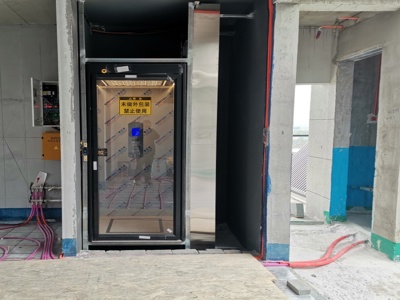
Гидравлические лифты offer architectural flexibility that is highly valued in малоэтажном строительстве. Они can be customized to fit various space constraints and aesthetic preferences, such as glass cabins or compact designs that blend seamlessly with modern interiors. Unlike electric lifts, which may require specific shaft dimensions, hydraulic versions allow for more creative freedom, enabling architects to optimize floor plans without compromising functionality. This adaptability has led to their widespread adoption in projects ranging from luxury homes to small commercial complexes, where every square meter counts.
Хотя гидравлические лифты historically had a reputation for higher energy consumption, modern innovations have addressed this concern. The use of regenerative drives and energy-efficient pumps has significantly reduced their environmental impact. Additionally, their longer lifespan and recyclability of components contribute to sustainability. In comparison, electric elevators, while efficient in operation, often involve more embodied energy in manufacturing. This section explores how гидравлические лифты align with green building standards and why they are becoming a preferred choice for eco-conscious developers in low-rise constructions.
Safety is paramount in elevator design, and гидравлические лифты are renowned for their inherent safety features. Systems like emergency lowering and fail-safe hydraulic valves ensure passenger protection in case of power outages or mechanical failures. Regulatory bodies worldwide have established standards that гидравлические лифты easily meet, thanks to their predictable behavior and low risk of free-fall incidents. This compliance simplifies the approval process for construction projects, reducing delays and costs associated with certifications.
The future of гидравлические лифты looks promising, with ongoing research focused on enhancing efficiency and integration with smart technologies. Innovations such as IoT-enabled monitoring and AI-driven predictive maintenance are set to make these systems even more attractive. Moreover, advancements in materials science may lead to lighter and more compact designs, further solidifying their role in малоэтажном строительстве. This section speculates on emerging trends, like the potential fusion with renewable energy sources, which could redefine their economic and environmental profiles.
В заключение, доминирование гидравлических лифтов в малоэтажном строительстве обусловлено их unmatched combination of cost-effectiveness, technical reliability, and practical benefits. While electric elevators have their place in taller structures, гидравлические системы remain the go-to solution for projects up to 6 stories, offering a balance of performance and affordability that is hard to beat. As technology evolves, we can expect these lifts to continue adapting, ensuring their relevance in the construction industry for years to come. For developers and architects, understanding these advantages is key to making informed decisions that optimize both functionality and budget.
