Адрес:No.7-1, Shunyi Street, Jibei Street, Jinan, Shandong, China
Телефон:
Мобильные телефоны:
Контактные лица:

Адрес:No.7-1, Shunyi Street, Jibei Street, Jinan, Shandong, China
Телефон:
Мобильные телефоны:
Контактные лица:
В современном мире архитектура и дизайн постоянно эволюционируют, предлагая инновационные решения, которые не только улучшают функциональность зданий, но и profoundly влияют на наше восприятие окружающего пространства. Одним из таких remarkable примеров является стеклянный лифт. Этот engineering marvel сочетает в себе передовые технологии, эстетическую привлекательность и психологический impact, трансформируя то, как мы experience vertical movement в зданиях. В этой статье мы глубоко исследуем, как стеклянные лифты меняют наше восприятие пространства, охватывая аспекты от архитектурного дизайна до human psychology, и why они стали символом modern urban life.
Чтобы fully appreciate влияние стеклянных лифтов, важно understand их историю. Лифты существуют с ancient times, но modern elevator был invented Элишей Отисом в 1850-х годах, с introduction safety brake, который сделал лифты безопасными для widespread use. Initially, лифты были purely functional, enclosed в шахтах из metal или concrete, с minimal visibility. Они служили утилитарной purpose: перемещать людей и goods между этажами efficiently. Однако с advancement технологий и materials, лифты began to evolve. В mid-20th century, с rise modern architecture и emphasis на open spaces, идея glass elevators начала gain traction. Pioneers like Eero Saarinen и его design для CBS Building в Нью-Йорке incorporated glass elements, но true revolution произошла с development reinforced glass и engineering techniques, которые сделали fully transparent лифты feasible и safe. Сегодня стеклянные лифты ubiquitous в skyscrapers, shopping malls, hotels, и даже residential buildings, symbolizing progress и sophistication.
Стеклянные лифты radically改变了 how architects design buildings. Traditionally, лифтовые шахты были hidden, creating segregated vertical corridors. Но с glass elevators, они become integral part архитектурного expression. Например, в iconic buildings like Burj Khalifa в Дубае или Lotte World Tower в Сеуле, стеклянные лифты offer panoramic views города, превращая routine ascent или descent в breathtaking experience. Это не только enhances aesthetic appeal здания, но и promotes sense of openness и connectivity. Архитекторы теперь design atrium и open spaces вокруг лифтовых шахт, используя glass чтобы blur boundaries между interior и exterior. Это creates dynamic interaction между движением лифта и статичными elements здания, fostering feeling of fluidity и continuity. Кроме того, glass elevators allow natural light проникать deeper в здание, reducing energy consumption и improving well-being occupants через biophilic design principles.
Perhaps most fascinating aspect стеклянных лифтов – их profound psychological impact на passengers. Human perception пространства deeply influenced визуальными cues. В traditional enclosed лифтах, space feels confined, isolated, и даже claustrophobic для некоторых людей. Это может trigger anxiety или discomfort, особенно в crowded situations. Однако glass elevators transform this experience completely. Providing unobstructed views, они create illusion expanded space. Passengers feel connected к окружающей environment, будь то interior здания или external landscape. Это reduces feelings of confinement и promotes sense of freedom и control. Studies в environmental psychology show что exposure к views природы или open spaces can lower stress levels и improve mood. В контексте лифтов, это означает что daily commute становится less stressful и more enjoyable. Кроме того, motion через transparent enclosure enhances spatial awareness; people can visually track their movement, что помогает brain process changes в elevation более smoothly, reducing dizziness или disorientation. Это особенно beneficial для детей или пожилых людей, who might struggle с spatial orientation.
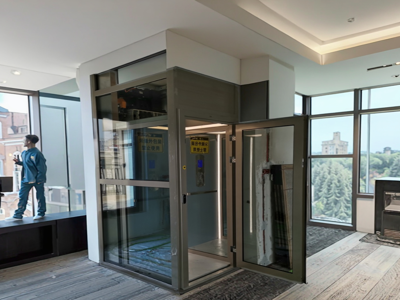
Стеклянные лифты не просто functional; они artistic statements. Их design часто включает sleek frames, LED lighting, и custom glass treatments, которые добавляют visual interest. В luxury settings, таких как five-star hotels или high-end retail stores, glass elevators serve как focal points, attracting attention и enhancing brand image. Они embody modernity, transparency, и innovation – values that are highly prized в contemporary culture. Movement лифта через glass shaft creates ever-changing play of light и shadow, adding dynamic element к static architecture. Это kinetic art form, где passengers become part of the spectacle, observed и observing simultaneously. С точки зрения дизайна интерьера, glass elevators allow для seamless integration с surrounding decor. Например, в shopping malls, они enable retailers showcase their products из multiple angles, enhancing shopping experience. В residential buildings, они offer residents unique perspectives их homes, fostering deeper connection к living space.
Конечно, beauty стеклянных лифтов была бы impossible без advanced engineering. Safety is paramount, и modern glass elevators используют laminated glass, которое состоит из multiple layers с interlayer из polyvinyl butyral (PVB). Это делает glass extremely strong и shatter-resistant; даже если broken, оно holds together, preventing injuries. Additionally, glass treated with coatings чтобы reduce glare, improve insulation, и resist scratches. Technological innovations включают smart controls, такие как destination dispatch systems, которые optimize traffic flow и reduce wait times. В high-rise buildings, лифты equipped с pressurized cabins чтобы combat ear discomfort при rapid ascent. Sustainability также key consideration; glass elevators often incorporate energy-efficient motors и regenerative drives, которые convert kinetic energy into electricity, feeding it back into building's grid. These technologies not only ensure reliability но и align with green building standards, making glass elevators environmentally friendly choice.
Стеклянные лифты имеют broader social и cultural implications. Они democratize access к views и experiences, которые ранее reserved для elite. В public spaces like museums или observation decks, glass elevators provide equitable opportunity для всех посетителей enjoy scenic vistas, regardless of physical ability – они often designed быть accessible для people with disabilities. Culturally, они symbolize transparency и openness, values that are increasingly important в global society. В urban contexts, стеклянные лифты contribute к skyline, becoming landmarks themselves. Они также influence social interactions; в glass elevator, people are more visible, что может encourage courteous behavior или, наоборот, create sense of exhibitionism. Это microcosm современной urban life, где privacy и publicity constantly negotiated. Кроме того, они inspire artistic expressions, появляясь в фильмах, literature, и art как metaphors для ascent, progress, или vulnerability.
Looking ahead, future стеклянных лифтов promises even greater integration с technology и design. Emerging trends включают augmented reality (AR) displays на glass surfaces, которые could provide informational overlays о surroundings или advertising. Imagine лифт, где glass acts как screen, showing real-time data или interactive content durante ride. Другой innovation – development of transparent solar panels, которые could be integrated into glass elevators чтобы generate power. В terms of mobility, multi-directional лифты, такие как Thyssenkrupp's MULTI system, используют magnetic levitation чтобы move horizontally и vertically, и glass design будет crucial для enhancing passenger experience в таких systems. Кроме того, с rise smart cities, glass elevators could become nodes в interconnected networks, communicating с other building systems для optimized performance. Психологически, future designs might focus далее на customization, allowing passengers adjust transparency или lighting чтобы suit their mood, further personalizing spatial experience.
В заключение, стеклянный лифт – это much more чем просто vehicle для vertical transportation; это powerful tool that reshapes our perception пространства. Через его architectural integration, psychological benefits, aesthetic appeal, и technological sophistication, он transforms mundane act of moving between floors into enriching experience. Он challenges traditional notions enclosure и privacy, promoting openness, connectivity, и well-being. Как мы continue to build taller и more complex structures, стеклянные лифты будут play pivotal role в making them human-centric и sustainable. Они remind us что innovation в design не только о functionality, но и о enhancing quality of life. So next time вы step into glass elevator, take moment appreciate how it changes your view – not just of the world outside, но и of the space within. В endlessly evolving landscape urban environments, стеклянные лифты stand как beacons прогресса, inviting us to see things differently, literally и metaphorically.
