Адрес:No.7-1, Shunyi Street, Jibei Street, Jinan, Shandong, China
Телефон:
Мобильные телефоны:
Контактные лица:
Адрес:No.7-1, Shunyi Street, Jibei Street, Jinan, Shandong, China
Телефон:
Мобильные телефоны:
Контактные лица:
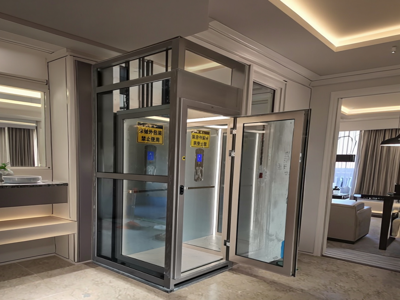
В современном мире, где технологии стремительно развиваются, безопасность становится приоритетом номер один во многих аспектах нашей жизни. Особенно это касается лифтов — устройств, которые мы используем ежедневно, часто не задумываясь о潜在ных рисках. Традиционные системы безопасности лифтов, такие как механические датчики или контактные полосы, долгое время служили верой и правдой, но они имеют свои ограничения. Вход в игру светового занавеса — инновационной технологии, которая кардинально меняет правила игры в области безопасности пассажиров. Эта статья погрузит вас в мир световых занавесов, объясняя, как они работают, почему они революционны, и как они спасают жизни.
Световой занавес, также известный как оптический барьер или инфракрасный датчик, представляет собой систему, которая использует луч света для создания невидимой защиты вокруг дверей лифта. Когда луч прерывается — например, человеком или объектом, — система немедленно останавливает движение дверей или кабины лифта, предотвращая возможные травмы. Это достигается за счет излучателей и приемников, установленных по обеим сторонам дверного проема. Излучатель посылает инфракрасные лучи, которые улавливаются приемником. Если луч прерывается, сигнал отправляется в систему управления лифтом, вызывая мгновенную остановку.
Принцип работы основан на оптике и электронике, что делает систему highly reliable. Unlike traditional contact-based sensors, which require physical touch to activate, light curtains are non-contact, reducing wear and tear and increasing longevity. They can detect even small objects, such as a child's hand or a pet, ensuring comprehensive protection. The technology is often integrated with microprocessors that analyze the signal in real-time, allowing for adaptive responses—for example, slowing down doors gently if an obstruction is detected, rather than jerking to a halt.
Безопасность лифтов имеет долгую и интересную историю, начинающуюся с изобретения лифта Элишей Отисом в 1850-х годах, который представил первый безопасный лифт с системой захвата в случае обрыва троса. С тех пор технологии эволюционировали через механические датчики, электрические контакты и, наконец, к оптическим системам. В 1980-х годах появились первые световые занавесы, initially used in industrial settings for machine safety. Their adoption in elevators gained momentum in the 1990s as electronics became more affordable and reliable.
Key milestones include the development of infrared technology in the 1970s, which enabled non-contact sensing, and the integration of microcontrollers in the 2000s, allowing for smarter, more responsive systems. Today, light curtains are standard in many new elevator installations, driven by stringent safety regulations and consumer demand for higher safety standards. This evolution reflects a broader trend in technology: moving from reactive to proactive safety measures, where prevention is prioritized over correction.
Световые занавесы предлагают numerous advantages over traditional safety systems like contact strips or mechanical sensors. First, they provide faster response times—often in milliseconds—which can be critical in preventing accidents. Second, they are more sensitive and can detect smaller obstructions, reducing the risk of pinching or crushing injuries. Third,因为他们 non-contact, they have lower maintenance needs and longer Lifespans, as there are no physical parts to wear out.
Additionally, light curtains enhance user experience by allowing doors to operate more smoothly and quietly. They can be programmed for different sensitivity levels, making them adaptable to various environments, from residential buildings to busy commercial spaces. From a cost perspective, while the initial investment might be higher, the reduced downtime and maintenance costs often lead to long-term savings. Moreover, they contribute to energy efficiency by minimizing unnecessary door movements, as the system only activates when needed.
Многочисленные инциденты по всему миру демонстрируют эффективность световых занавесов. Например, в 2018 году в токийском офисе световой занавес prevented a serious accident when a hurried employee tried to enter a closing elevator door; the system detected the movement and reopened the doors instantly. Statistics from safety organizations show that elevators equipped with light curtains have up to a 50% reduction in door-related injuries compared to those with traditional systems.
In the United States, the Consumer Product Safety Commission reports that elevator accidents cause thousands of injuries annually, many involving doors. The adoption of light curtains has been correlated with a decline in such incidents. Case studies from Europe highlight how these systems are particularly beneficial in buildings with high foot traffic, such as hospitals or shopping malls, where every second counts. These real-world examples underscore the life-saving potential of this technology and its role in modern safety protocols.
Будущее световых занавесов выглядит еще более promising с интеграцией Интернета вещей (IoT) и искусственного интеллекта (AI). Умные лифты могут использовать данные от световых занавесов для predictive maintenance—например, anticipating when a sensor might fail based on usage patterns. AI algorithms can analyze obstruction patterns to distinguish between false alarms (like dust) and real threats, improving accuracy and reducing nuisance stops.
Furthermore, IoT connectivity allows for remote monitoring and control, enabling building managers to respond to issues in real-time from anywhere. This could lead to systems that learn from user behavior, optimizing door operation for efficiency and comfort. As smart cities evolve, elevators with advanced light curtains will become integral to urban infrastructure, contributing to overall safety and sustainability. Research is also underway on using LiDAR or other advanced sensing technologies to enhance detection capabilities beyond current infrared systems.
При выборе светового занавеса для лифта учитывайте несколько факторов: чувствительность, диапазон обнаружения, совместимость с существующей системой лифта и соответствие местным нормам безопасности. Ищите продукты от reputable manufacturers that offer warranties and support. Regular maintenance is crucial; schedule periodic inspections to clean sensors and check alignment, as dirt or misalignment can reduce effectiveness.
For building owners, investing in training for maintenance staff can prevent issues. Additionally, consider upgrading older elevators with retrofitted light curtain systems—many modern kits are designed for easy installation. Always follow manufacturer guidelines and local safety codes to ensure compliance. By prioritizing these aspects, you can maximize the benefits of light curtains and ensure long-term reliability.
В заключение, световой занавес представляет собой revolutionary leap in elevator safety, offering unmatched protection through non-contact, high-speed detection. Its adoption is transforming how we think about passenger safety, moving from reactive measures to proactive prevention. As technology continues to advance, we can expect even smarter, more integrated systems that further reduce risks and enhance everyday life.
Whether you're a building manager, an engineer, or simply a frequent elevator user, understanding and advocating for these innovations is key to a safer future. The light curtain is not just a feature; it's a essential component of modern infrastructure that saves lives and promotes peace of mind. Embrace this revolution—because when it comes to safety, every second and every sensor counts.
Ключевые выводы: Световые занавесы обеспечивают быстрое, надежное обнаружение препятствий, снижают травматизм и интегрируются с умными технологиями для будущих улучшений. Их внедрение — это шаг к более безопасным городам и зданиям.
